Dec 2025 • Medium
The Autonomy Paradox
Moving beyond the “human-in-the-loop” to save the grid, the factory, and the water supply.
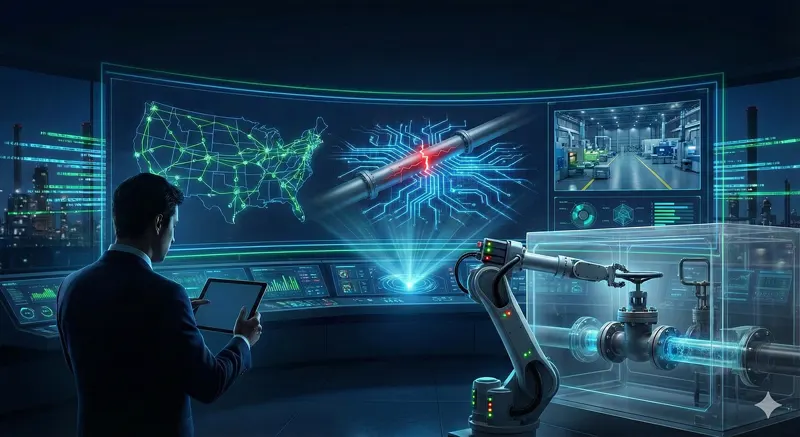
From the article
In 2010, the Stuxnet worm didn’t just steal data; it physically destroyed nearly 1,000 centrifuges at the Natanz nuclear facility. It was a wake-up call that the digital world could violently impact the physical one.
Fifteen years later, the threat landscape has evolved from state-sponsored sabotage to automated, machine-speed destruction. Today, malware like Industroyer2 or Incontroller can target power grids, water treatment plants, and manufacturing lines with the intent to disrupt or destroy. These attacks operate in milliseconds. Human operators, constrained by biology, react in minutes.
This speed gap has birthed a new imperative in Operational Technology (OT) security: Autonomy.
To survive, critical infrastructure must become “self-healing.” We are moving toward a world where power grids reroute themselves around cyberattacks instantly, and manufacturing plants quarantine compromised robots without human intervention. But this leap forward introduces a terrifying paradox…
What it covers. The piece argues that machine-speed attacks on operational technology are forcing defenders to consider autonomous response, and weighs that against the safety risk of taking people out of the loop.